A trip to Yala National Park offers one of the most thrilling wildlife encounters in Asia. If you want to spot elusive leopards pacing through golden scrub jungle or watch wild elephants bathing at sunset, this is your ultimate destination. We will show you exactly how to plan the perfect adventure, avoid the crowds, and make the most of your time in the Sri Lankan wilderness.
What is Yala National Park best known for? It is world-famous for having one of the highest densities of wild leopards on the planet. Located in Sri Lanka’s deep south, this vast protected area also boasts roaming elephant herds, sloth bears, and hundreds of bird species across stunning coastal landscapes.
Why is a Yala National Park Safari So Famous?
You might wonder why this specific reserve draws so much international attention. Think of it as the African savanna beautifully compressed onto a tropical Indian Ocean island. Because the park borders the ocean, the landscape transitions rapidly from dense monsoon forests to open grassy plains and sandy beaches.
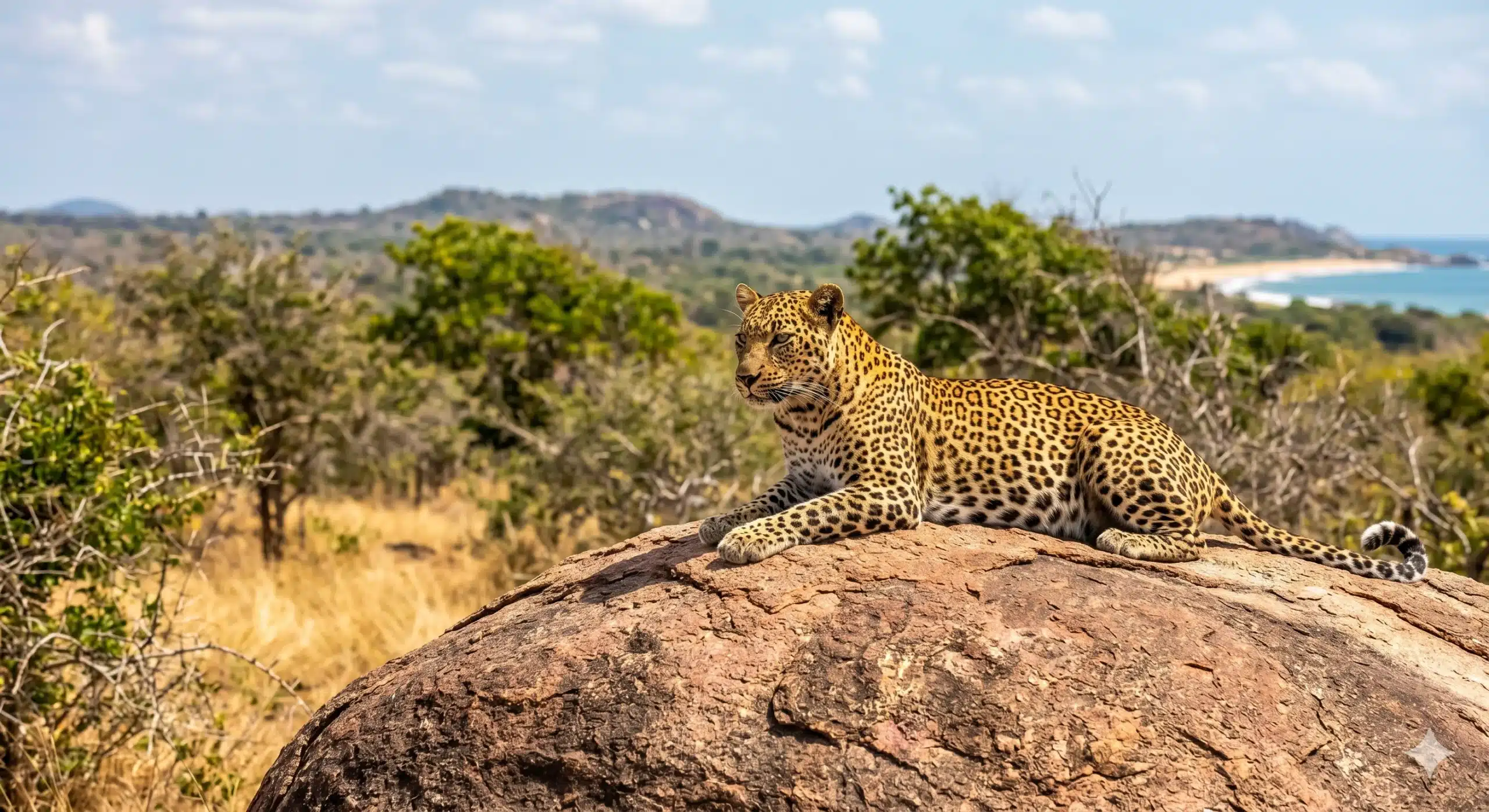
Consequently, the sheer variety of life here is staggering. According to the Sri Lanka Department of Wildlife Conservation, the park protects 44 distinct mammal species and an incredible 215 bird species. However, the true stars of the show are the big cats. Unlike in many other countries where leopards must hide from lions or hyenas, the Sri Lankan leopard is the undisputed apex predator. As a result, they are far less nocturnal. They confidently strut down dirt tracks and lounge on massive granite boulders in broad daylight.
In our professional opinion, the sheer thrill of hearing a monkey’s sudden alarm call just before a leopard steps out of the brush beats almost any other nature experience. If you are passionate about nature, adding a dedicated Wildlife of Sri Lanka Tour to your itinerary is an absolute must.
Getting There and Getting Around
Navigating island logistics can feel overwhelming, but reaching the southern coast is actually quite straightforward. Say you land in Colombo on a Tuesday morning. By booking a private airport transfer with Oura Travel, you could easily be sipping a king coconut near the park gates before dinner.
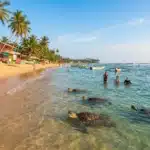
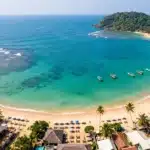
Driving from Colombo takes roughly four to five hours via the Southern Expressway. Alternatively, many travellers choose to visit after spending a few days relaxing on the beaches of Galle or Mirissa. From the southern coast, the drive is a scenic two-hour journey.
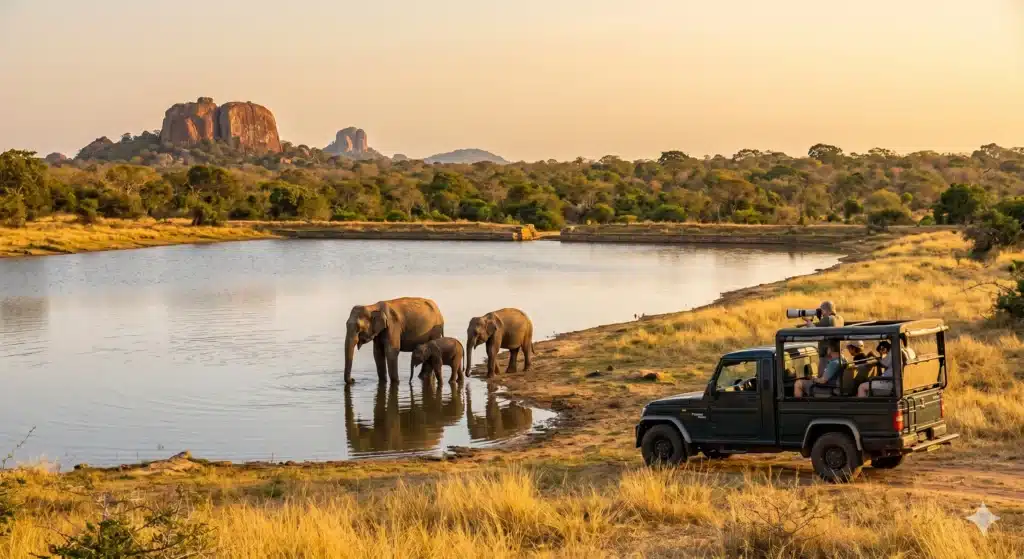
Once you arrive at the gateway towns of Tissamaharama or Palatupana, all exploration happens via rugged 4×4 safari jeeps. You cannot drive your own rental car inside the reserve. For safety and tracking success, you must hire a registered jeep and driver.
What Wildlife Will You Actually See?
While the big cats steal the headlines, a true Sri Lanka safari offers much more than just feline encounters. Every corner of the jungle holds a new surprise.
The Elusive Sri Lankan Leopard
Spotting Panthera pardus kotiya requires patience, a sharp-eyed guide, and a bit of luck. These magnificent animals often rest high in the branches of Palu trees during the heat of the day. Therefore, scanning the canopy is just as important as watching the road.
Elephants, Sloth Bears, and Birdlife
Beyond the leopards, you will almost certainly encounter wild Asian elephants. Small herds frequently gather around the park’s ancient man-made lakes, known as wewas, to drink and bathe.
Meanwhile, the shaggy Sri Lankan sloth bear is another highly sought-after sighting. They are incredibly rare, but you might spot them shuffling through the undergrowth during the Palu fruit season in May and June. For birdwatchers, the wetlands are a paradise. You can expect to see vibrant painted storks, dancing peacocks, and majestic fish eagles soaring overhead.
To guarantee a seamless experience, we highly recommend booking a comprehensive Safari Excursion that includes an expert local naturalist.
The Best Time to Visit Yala National Park
Timing your trip correctly can make or break your safari experience. The climate here is generally hot and dry year-round, but wildlife behaviour changes drastically with the seasons.
The absolute best time to visit Yala for leopard spotting is during the dry season, which runs from February through July. As the smaller waterholes dry up, animals are forced to gather around the larger, permanent lakes. Consequently, predators and prey alike become much easier to find.
Conversely, the northeast monsoon brings heavy rains between November and January. The park transforms into a lush, emerald-green paradise during this time. While the thick foliage makes spotting leopards slightly harder, the scenery is breathtaking, and migratory birds arrive in massive flocks.
Important note: The park authorities typically close the most popular block (Block 1) for several weeks every September and October. This annual closure allows the drought-stricken jungle to recover and gives the animals a break from human visitors. Before you book flights, always check the [suspicious link removed] or ask our team for the latest closure dates.
Safari Options: Morning, Evening, or Full Day?
When planning Yala safari tours, you generally have three choices. Each offers a completely different atmosphere.
| Safari Type | Timings | Best For | What to Expect |
| Morning Drive | 6:00 AM – 10:00 AM | Active predators, birdwatching | Cool weather, beautiful sunrise light. Leopards are often active before the midday heat sets in. |
| Evening Drive | 3:00 PM – 6:00 PM | Golden hour photography, elephants | Animals emerge from the deep shade as temperatures drop. The sunset over the plains is spectacular. |
| Full Day Drive | 6:00 AM – 6:00 PM | Serious wildlife enthusiasts, deep access | Maximum time in the jungle. Includes a packed picnic lunch near the beach or a scenic river. |
For most visitors, a morning half-day drive provides the perfect balance of excitement and comfort. However, if photography is your main goal, a full-day adventure lets you venture deeper into less crowded areas.
What to Pack for the Tropics
Preparation is the secret to a comfortable ride. The dirt tracks get incredibly dusty, especially during the peak dry season.
First, wear lightweight, breathable clothing in neutral tones like khaki, olive, or brown. Bright colours can startle the wildlife. Second, bring a bandana or dust mask to cover your face when passing other jeeps. The fine red dust gets everywhere.
Additionally, pack high-SPF sunscreen, a wide-brimmed hat, and polarized sunglasses. Even with the jeep’s canvas roof, the tropical sun is intense. Finally, bring plenty of drinking water and a good pair of binoculars. If you are shooting photos, a telephoto lens (at least 300mm) is essential for capturing distant subjects.
Keeping Safe and Respecting the Jungle
Because Yala National Park is a protected wilderness, strict rules apply to all visitors. These guidelines exist to protect both you and the fragile ecosystem.
- Stay inside the vehicle: You may only step out of the jeep at specifically designated rest areas, such as the Patanangala beach memorial.
- Keep your voice down: Loud talking or shouting will instantly scare away the wildlife. Whisper when you spot something exciting.
- Do not feed the animals: Feeding wild animals alters their natural diet and creates dangerous habits.
- Respect the heritage: Sri Lanka is home to numerous UNESCO World Heritage sites, and even within the jungle, you may pass ancient temple ruins. Treat these areas with deep respect.
Before you arrive in the country, ensure your travel documents are in order. You can easily process your entry visa through the official Sri Lanka government e-visa portal online.
Frequently Asked Questions
Is a Yala safari safe for young children?
Yes, it is entirely safe and incredibly exciting for kids. However, the bumpy roads and necessary quiet time can test the patience of toddlers. We suggest shorter morning drives for those travelling with young ones. Read our guide to family-friendly activities in Sri Lanka for more tips.
How many days should I spend near the park?
We recommend staying at least two nights in the area. This allows you to do an evening safari on your arrival day and a morning safari the next day, doubling your chances of seeing a leopard.
What happens if it rains during my tour?
Jeeps come equipped with roll-down canvas sides to keep you dry. Interestingly, a light rain shower often causes leopards to walk on the open dirt roads to avoid the wet grass, which can actually improve your sightings!
Can I book a safari on the day I arrive?
While last-minute bookings are sometimes possible, peak season (December to March) gets extremely busy. We highly advise booking your jeep and entry permits well in advance to secure the best guides.
Do I need a special visa for Sri Lanka?
Most international travellers require an Electronic Travel Authorization (ETA) to enter the country. Always check the official government ETA portal a few weeks before your departure to confirm current fees and rules.
Ready to Explore Sri Lanka’s Wild Side?
Organising the perfect wildlife holiday requires local knowledge, reliable drivers, and impeccable timing. You do not want to travel halfway across the world only to be stuck in a crowded jeep line at the park gate.
For over 10 years, Oura Travel has been crafting unforgettable island itineraries. As one of Sri Lanka’s best travel agencies, we guarantee genuine expertise, 24/7 on-the-ground support, and highly trained naturalist guides. To learn more about our story, visit our About Us page.
Are you ready to hear the roar of the jungle? Let us handle the logistics while you focus on the adventure. Plan your trip with Oura Travel today, and let us build the custom safari experience you have always dreamed of.